

Hospitality lighting refers again to the specialized lighting design and fixtures used in the hospitality industry, which includes motels, restaurants, bars, resorts, and other related institutions. The main purpose of hospitality lighting is to enhance the guest expertise, create a welcoming and comfy environment, and contribute to the overall aesthetics and ambiance of the house. Here are some key aspects of hospitality lighting:
Aesthetics and Atmosphere: Hospitality lighting is designed to create a specific ambiance that aligns with the brand and the supposed visitor expertise. It can be used to evoke varied moods, from cozy and intimate to bright and energetic, relying on the setting.
Functionality: While aesthetics are essential, hospitality lighting also serves functional purposes. Lighting must be enough for tasks like reading, dining, or working whereas offering basic illumination for navigation and security.
Energy Efficiency: Like in different commercial settings, energy effectivity is increasingly important in the hospitality industry. Many institutions have transitioned to energy-efficient lighting applied sciences, corresponding to LED, to scale back operational costs and environmental influence.
Flexibility: Hospitality lighting often incorporates dimming and control systems to allow for changes in lighting intensity and color temperature, enabling totally different lighting scenes for numerous times of the day and occasions.
Zoning and Layering: commercial retail lighting lighting design sometimes includes zoning or layering of light. Different lighting sources and fixtures are strategically placed to light up various areas or objects, such as reception desks, artwork, eating tables, and seating areas.
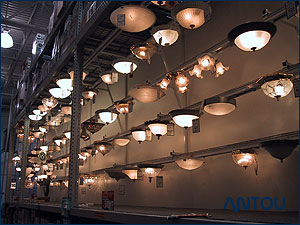
Decorative Lighting: Decorative fixtures, similar to chandeliers, pendant lights, and wall sconces, are incessantly used in hospitality spaces to add visual interest and elegance.
Task Lighting: Task-oriented lighting, corresponding to desk lamps and studying lights, is supplied in visitor rooms to make sure consolation and comfort.
Exterior Lighting: The exterior of hospitality institutions typically options out of doors lighting to enhance curb attraction, improve security, and information guests to entrances or walkways.
Special Effects: Some hospitality lighting designs incorporate particular results, similar to color-changing LED lighting or dynamic lighting sequences, to create distinctive and memorable experiences, particularly in entertainment venues or upscale restaurants.
Maintenance: Given the 24/7 nature of the hospitality industry, lighting must be durable and straightforward to hold up. This ensures that the lighting stays in good situation and minimizes disruptions for visitors.
Hospitality lighting is a crucial component of the overall design and branding of hotels, eating places, and related venues. It performs a pivotal position in shaping the guest expertise, from the second they enter the institution to the time they spend within the varied spaces inside it...