

Firewood logs are pieces of wood which may be minimize and cut up into appropriate sizes for burning in numerous functions, similar to heating, cooking, or creating a comfy environment in a fire, wooden range, or campfire. Properly seasoned and ready firewood logs are important for efficient and protected burning. Here are some key issues for firewood logs:
Types of Wood: The kind of wood used for firewood can considerably have an result on its burning characteristics. Different forms of wood, such as hardwoods, softwoods, fruitwoods, and unique woods, have varying heat output, burn occasions, and aromas when burned.
Seasoning: Firewood should be properly seasoned, which means it has been allowed to dry and cut back its moisture content to an appropriate level for burning. Seasoned wooden burns extra effectively, produces less smoke, and generates more warmth.
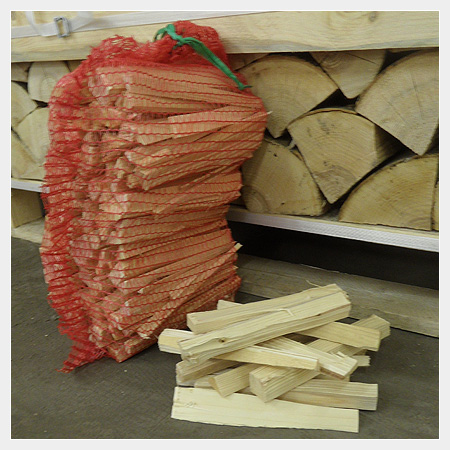
Size and Length: Firewood logs are sometimes minimize to specific lengths suitable for the supposed use. Common lengths are round 16 to 18 inches (40 to forty five cm) for fireplaces and wood stoves. Smaller sizes are often used as kindling.
Splitting: Logs are sometimes break up into smaller items to increase surface space, allowing for higher airflow and faster ignition. Splitting also helps Click for more info during the seasoning process.
Stacking and Storage: Firewood must be stacked in a dry, well-ventilated area for proper seasoning. Stacking the logs off the ground on a raised platform or pallet helps prevent moisture absorption from the bottom.
more info : The ideal moisture content material for seasoned firewood is usually below 20%. Higher moisture content material can result in smoky and inefficient burning.
Bark: Firewood logs with the bark eliminated is often a sensible choice, as bark can include extra moisture and impurities, resulting in a less efficient burn.
Cleanliness: Ensure that the firewood logs are free from dirt, insects, mildew, and any overseas substances that might have an result on the standard of the hearth or produce dangerous fumes when burned.
Sustainability: Consider the sustainability of the wood supply. Using wood from sustainable and renewable sources helps decrease the environmental influence.
Kindling Cornwall : Be aware of native regulations regarding the harvesting and transportation of firewood, especially if you are sourcing it from public lands or transporting it across state or regional boundaries.
Safety: Practice secure dealing with and storage of firewood to prevent accidents, injuries, or pests. Keep firewood away from constructions to scale back the chance of termite infestations.
When using firewood logs, whether for heating, cooking, or leisure functions, prioritize safety, proper storage, and adherence to native rules. Well-prepared and seasoned firewood can enhance your fireplace expertise, offering heat, consolation, and a pleasing environment..