

Firewood logs are pieces of wood which are cut and cut up into appropriate sizes for burning in varied functions, corresponding to heating, cooking, or creating a comfortable ambiance in a hearth, wood stove, or campfire. Properly seasoned and prepared firewood logs are essential for environment friendly and secure burning. Here are Get more info for firewood logs:
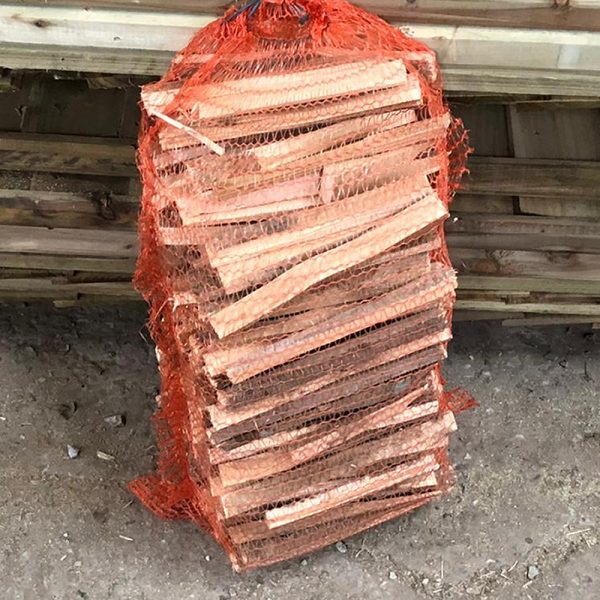
Types of Wood: The type of wood used for firewood can considerably have an effect on its burning traits. Different types of wood, corresponding to hardwoods, softwoods, fruitwoods, and unique woods, have varying heat output, burn times, and aromas when burned.
Seasoning: Firewood must be properly seasoned, which means it has been allowed to dry and cut back its moisture content to an acceptable degree for burning. Seasoned wood burns extra efficiently, produces much less smoke, and generates extra warmth.
Size and Length: Firewood logs are usually cut to specific lengths suitable for the intended use. Common lengths are around sixteen to 18 inches (40 to forty five cm) for fireplaces and wooden stoves. Smaller sizes are often used as kindling.
Splitting: Logs are sometimes break up into smaller pieces to extend surface space, allowing for better airflow and faster ignition. Splitting additionally helps the wooden dry extra shortly during the seasoning process.
Stacking and Storage: Firewood should be stacked in a dry, well-ventilated space for correct seasoning. Stacking the logs off the bottom on a raised platform or pallet helps prevent moisture absorption from the ground.
Moisture Content: The best moisture content material for seasoned firewood is often beneath 20%. Higher moisture content material can result in smoky and inefficient burning.
Bark: Firewood logs with the bark removed could be a sensible choice, as bark can include more moisture and impurities, leading to a less efficient burn.
Cleanliness: Ensure that the firewood logs are free from dirt, bugs, mold, and any overseas substances that could have an effect on the quality of the fireplace or produce harmful fumes when burned.
Sustainability: Consider the sustainability of the wood source. Using wood from sustainable and renewable sources helps reduce the environmental impact.
Local Regulations: Be aware of local rules regarding the harvesting and transportation of firewood, especially if you are sourcing it from public lands or transporting it across state or regional boundaries.
Safety: Practice secure handling and storage of firewood to stop accidents, injuries, or pests. Keep firewood away from constructions to scale back the risk of termite infestations.
When using firewood logs, whether or not for heating, cooking, or leisure purposes, prioritize safety, correct storage, and adherence to local rules. Well-prepared and seasoned firewood can enhance your fire experience, offering warmth, consolation, and a nice atmosphere..