

Removing asbestos is a complex process that ought to only be carried out by trained and licensed asbestos abatement professionals. Asbestos removal requires specialized knowledge, equipment, and security measures to stop the discharge of asbestos fibers into the air, which might pose serious health risks. Here are the general steps involved in asbestos removing:
Assessment and Planning:
Conduct a thorough asbestos inspection to establish the location and condition of asbestos-containing supplies (ACMs).
Develop a detailed asbestos administration plan that outlines the scope of work, security procedures, and disposal methods.
Hire Licensed Professionals:
Engage licensed asbestos abatement professionals with experience in safely eradicating and disposing of asbestos.
Ensure that the abatement group is educated, certified, and follows native laws and tips.
Isolate the Work Area:
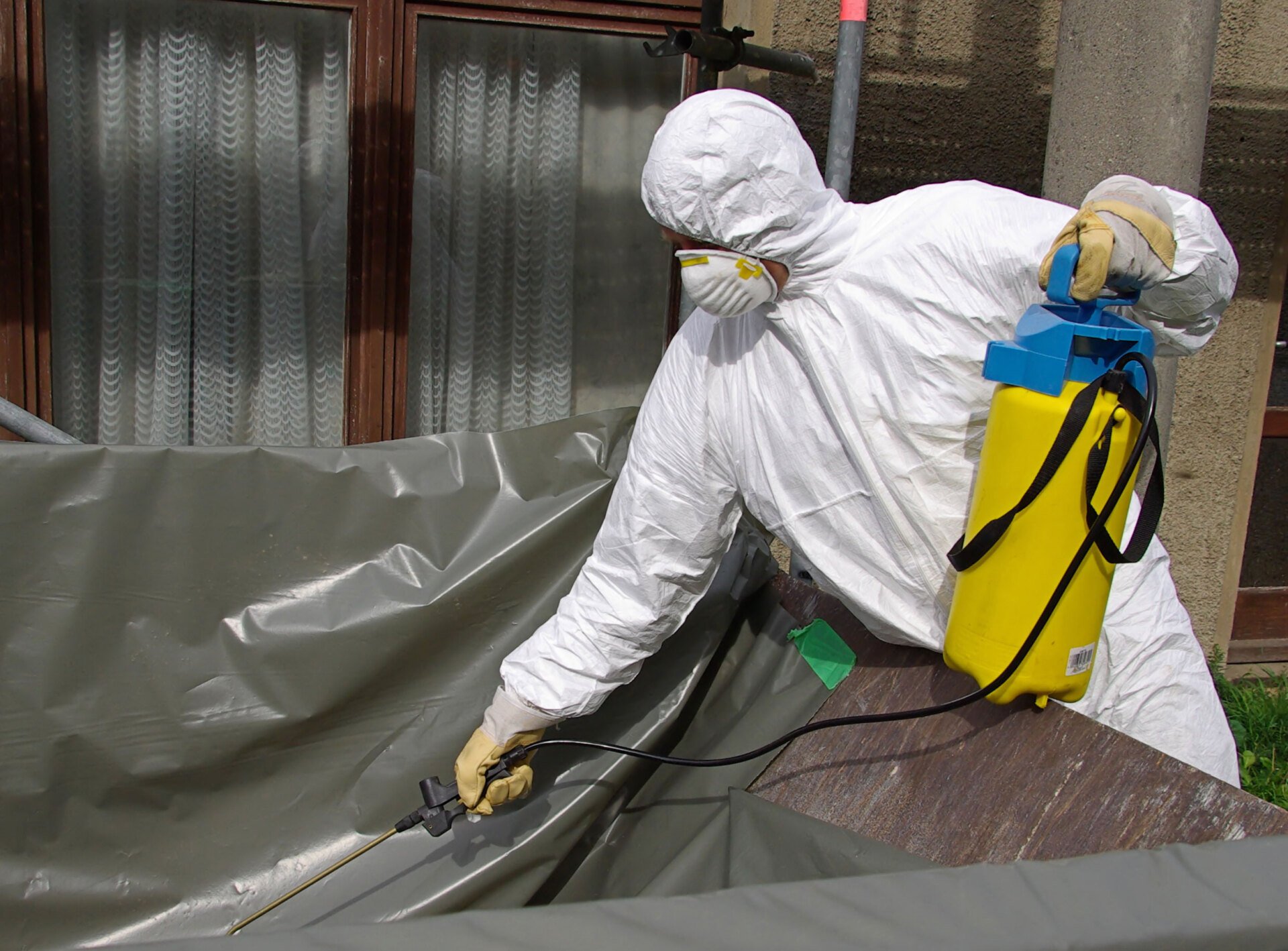
Establish a containment space around the work web site using plastic sheeting and negative air stress methods to stop asbestos fibers from spreading to other areas.
Use Personal Protective Equipment (PPE):
Abatement employees should put on applicable PPE, including respirators, disposable coveralls, gloves, and other protecting gear.
Wetting and Sealing:
Wet Asbestos Consultants Ilkley -containing materials to attenuate the release of fibers throughout removing.
Seal off the supplies in airtight baggage or containers for secure disposal.
Careful Removal:
Remove asbestos-containing supplies utilizing strategies that reduce fiber launch, similar to gently prying or slicing without creating mud.
Avoid using energy tools that will generate airborne asbestos fibers.
Thorough Cleanup:
Clean all surfaces within the work area using moist strategies and high-efficiency particulate air (HEPA) vacuums to ensure the removing of any remaining asbestos dust.
Dispose of asbestos waste in accordance with local rules.
Final Inspection:
Conduct a ultimate inspection to make certain that all asbestos-containing supplies have been properly eliminated.
Use air sampling to confirm that the air high quality meets security requirements.
Notification and Documentation:
Comply with local rules relating to notification of asbestos removal activities.
Maintain detailed documentation of the removal process, including inspection stories and disposal information.
Post-Abatement Monitoring:
Consider post-abatement air monitoring to confirm that asbestos ranges are within acceptable limits.
Remember that trying to remove asbestos on your own with out the right coaching and tools is extremely hazardous and may result in critical well being risks. Always consult with licensed asbestos abatement professionals to make sure the safe and legal removing of asbestos-containing materials from your home or property.