

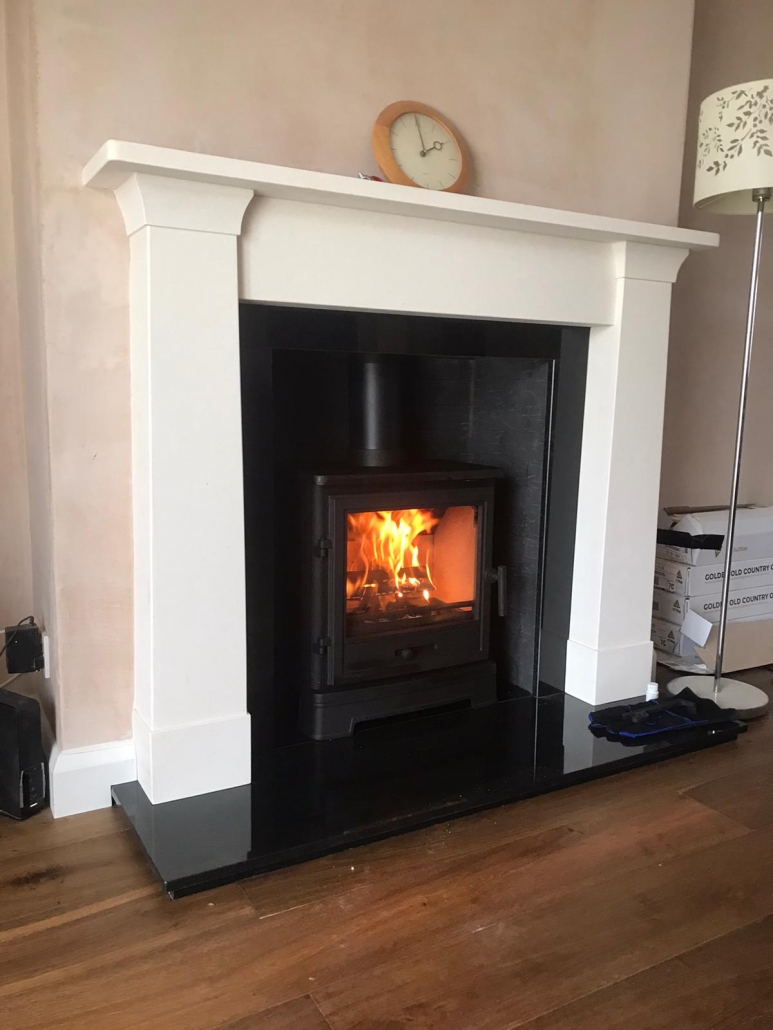
Eco-efficient fireplace stoves, also known as eco-friendly or energy-efficient wood-burning stoves, are designed to offer warmth and ambiance while minimizing their impression on the environment. These stoves are constructed to burn wooden more effectively and produce fewer emissions, serving to to reduce air air pollution and conserve vitality. Here are some options and considerations for eco-efficient fire stoves:
High Efficiency: Look for stoves with excessive effectivity scores. These stoves extract more warmth from the wooden and release much less waste by way of the chimney. Efficiency rankings are usually indicated as a percentage and can vary between different models.
EPA Certification: In many international locations, including the United States, the Environmental Protection Agency (EPA) certifies wood stoves for emissions and effectivity. Choosing an EPA-certified stove ensures that it meets sure environmental requirements and burns wood extra cleanly.
Cleaner Burning Technology: Many eco-efficient stoves incorporate superior combustion technology to make sure cleaner burning. This might embrace options like secondary combustion, catalytic converters, and air supply controls to optimize combustion and cut back emissions.
Air Wash System: A built-in air wash system helps hold the glass window of the stove clean by directing a stream of air over it, preventing soot and creosote buildup and sustaining a clear view of the flames.
Insulation and Heat Retention: Stoves with proper insulation and warmth retention properties keep the firebox hotter for longer durations. This leads to higher combustion and more efficient warmth output.
Size and Heat Output: Choose a range that's appropriately sized for the house you propose to heat. Discover more may result in overheating and inefficient burning.
Wood Quality: Burning dry, seasoned wooden is essential for optimal efficiency and efficiency. Wet or green wooden can produce extra smoke and creosote buildup, lowering range effectivity and probably posing a fireplace hazard.
Multi-Fuel Options: Some stoves can burn a number of forms of gas, similar to wooden pellets, which are a more constant and environment friendly gasoline source in comparison with traditional logs.
Eco-Friendly Materials: Stoves produced from sustainable and eco-friendly supplies, corresponding to recycled or domestically sourced metal, contribute to their total environmental impression.
Proper Installation: Proper installation of the range and chimney is essential for safety and efficiency. Make positive to follow manufacturer pointers and consider professional installation.
Regular Maintenance: To maintain efficiency and prevent creosote buildup, which can lead to chimney fires, common cleansing and upkeep of the range and chimney are important.
Local Regulations: Check local rules and requirements related to wood-burning stoves, including emission requirements and restrictions on burning certain types of wood.
Eco-efficient hearth stoves provide a method to enjoy the heat and ambiance of a wood-burning hearth whereas being conscious of the environment. When purchasing for a stove, pay attention to efficiency ratings, emissions certifications, and options that contribute to cleaner burning and reduced environmental influence..